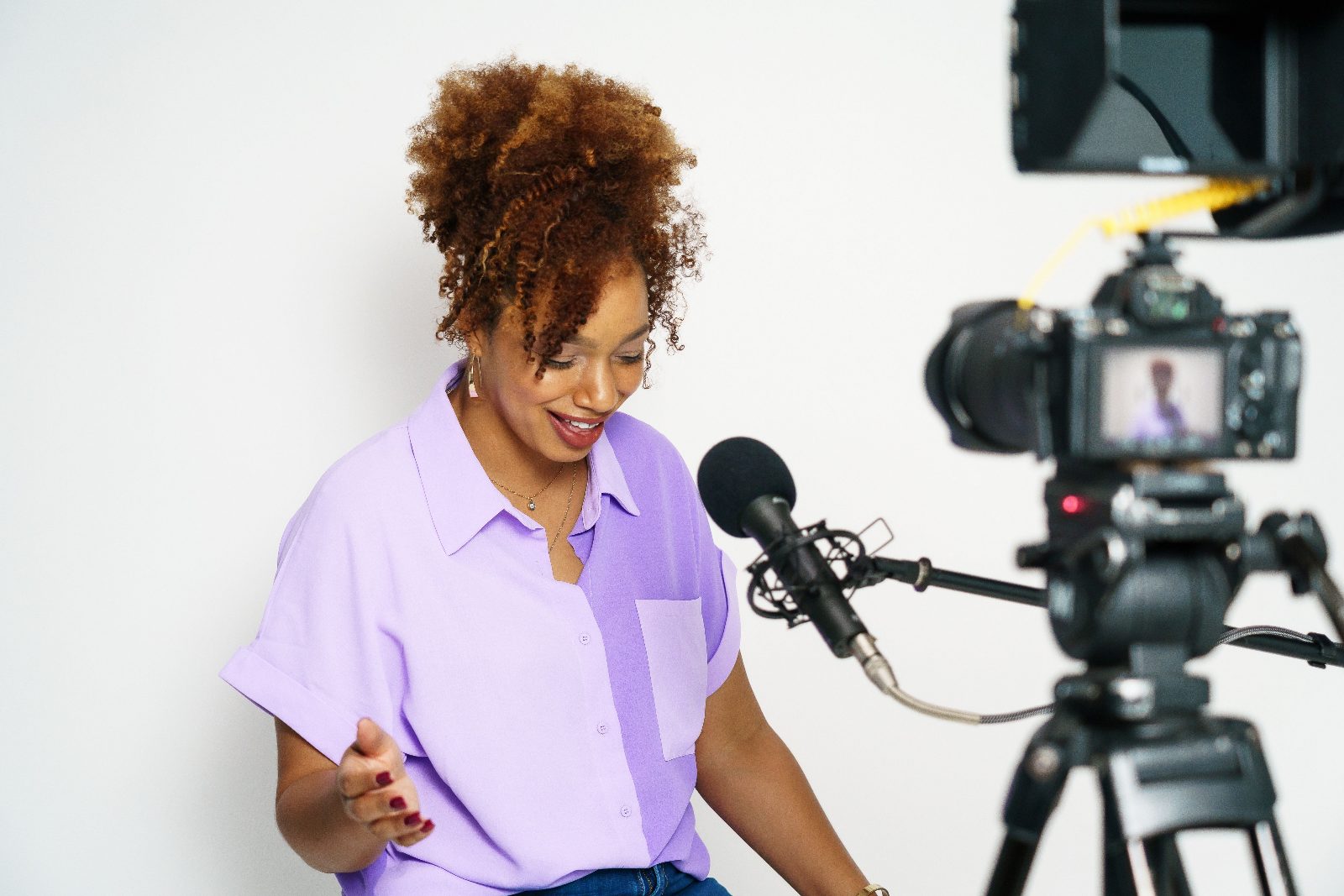
The internet promised women something powerful: the ability to build an audience, share expertise, and earn income entirely on their own terms. No gatekeepers. No glass ceiling. Just a phone, a following, and the work.
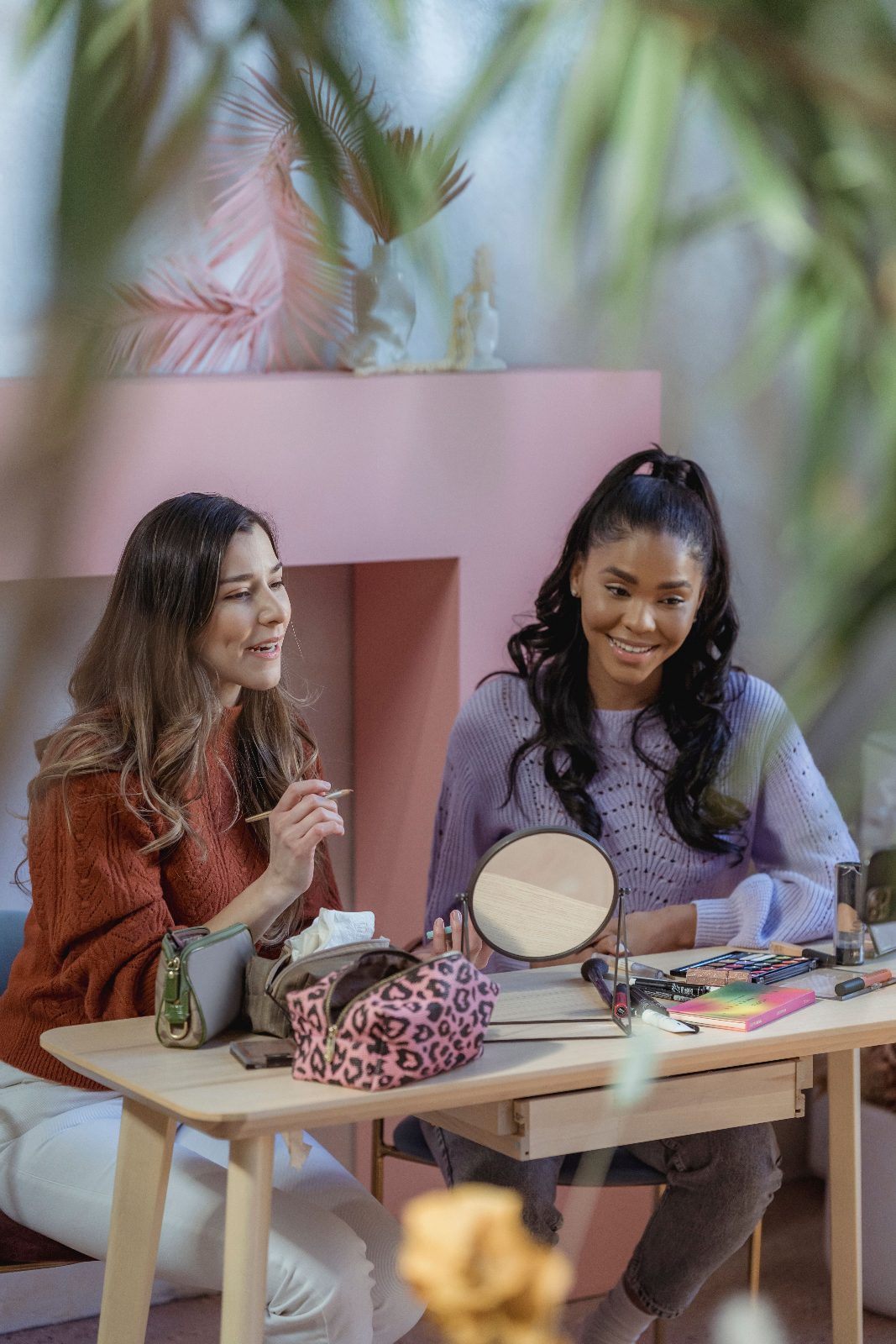
That promise is real. And it is incomplete.
For millions of female creators across Africa and beyond, publishing content is not just a creative act. It is a calculated risk. Every post, every video, every live session is a decision weighed against what might come back — the harassment, the unsolicited advances, the threats, the fake accounts designed to destroy what took years to build.
The opportunity is visible. The cost is not.
When visibility becomes vulnerability
There is a pattern that repeats itself across markets. A woman builds an audience. The audience grows. And with the growth comes something nobody put in the pitch deck: the harassment tax.
It is the hours spent blocking accounts and reporting abuse. The comments that have to be moderated before a client sees them. The DMs that cannot be ignored because one of them might be a real threat. The mental bandwidth spent managing unwanted attention that should have gone into the next video, the next client, the next idea.
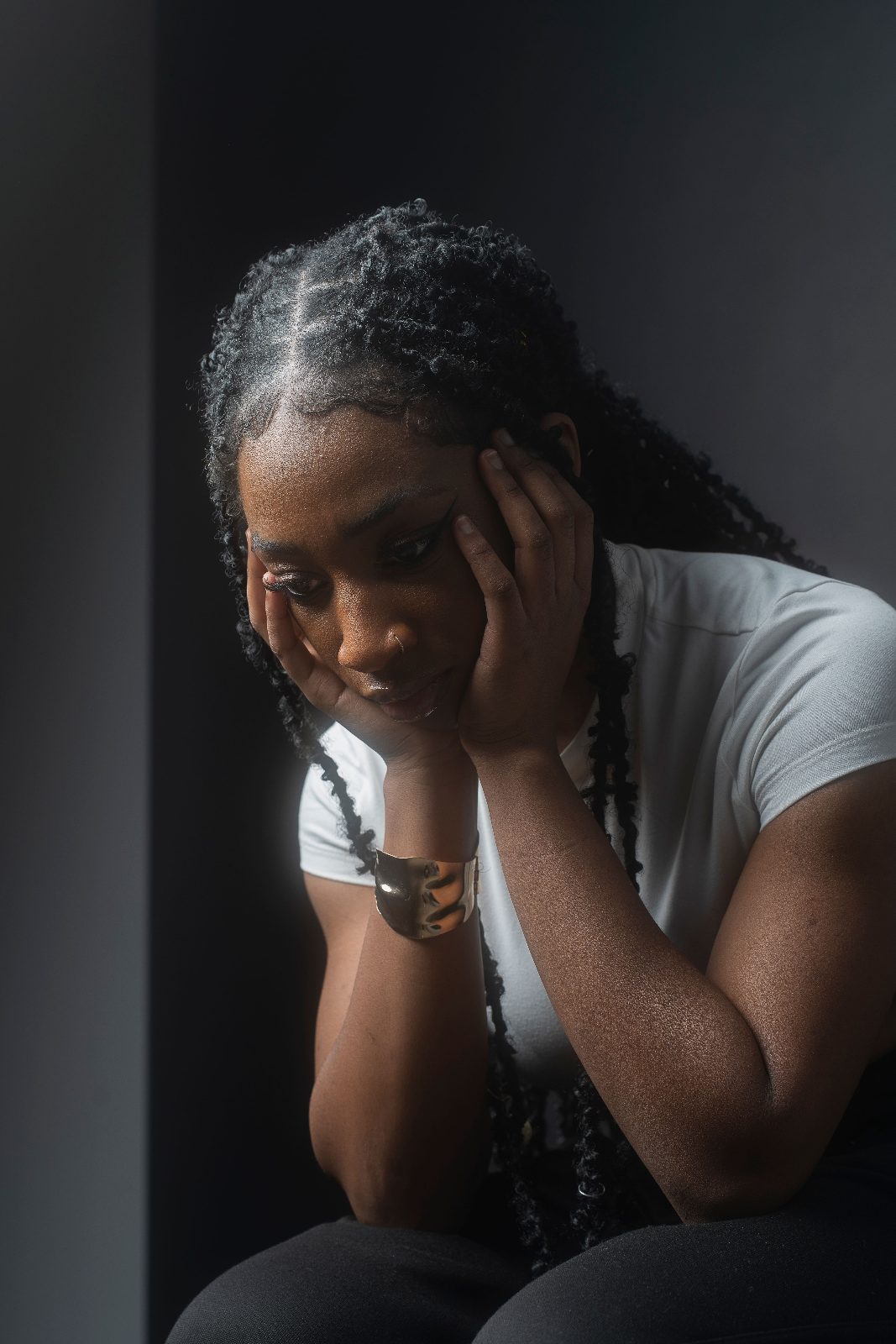
This is not a fringe experience. A 2026 UNESCO study in South Africa found that 75% of creators surveyed had experienced or witnessed technology-facilitated gender-based violence.¹ Research drawing on participants across Ghana, Uganda, The Gambia and Namibia found that sexual harassment, cyberstalking and online threats accounted for around two-thirds of reported incidents.² The Media Foundation for West Africa has documented coordinated attacks involving doxxing, gendered disinformation and manipulated imagery.³
Different studies, different methodologies — but the same pattern. This is not a local problem. It is a structural one.
The numbers we don’t count
We measure the creator economy through the metrics that look good: how many women have launched channels, grown followings, landed brand deals. And those numbers matter.
But they don’t capture the woman who stopped showing her face on camera after the third week of comments about her body. They don’t count the creator who turned down a collaboration because the brand’s public profile attracted the kind of attention she had been trying to avoid. They don’t measure the expertise that never got shared because sharing it meant opening herself up to being reduced to something other than what she knows.
The women who quietly pull back rarely announce it. They just get smaller. And their lost output, their missing income, their abandoned ideas — none of that shows up in a report on female participation in the creator economy.
The safety-versus-income trap
Here is the tension that rarely gets named plainly: accessibility is commercially valuable, and unrestricted access creates risk.
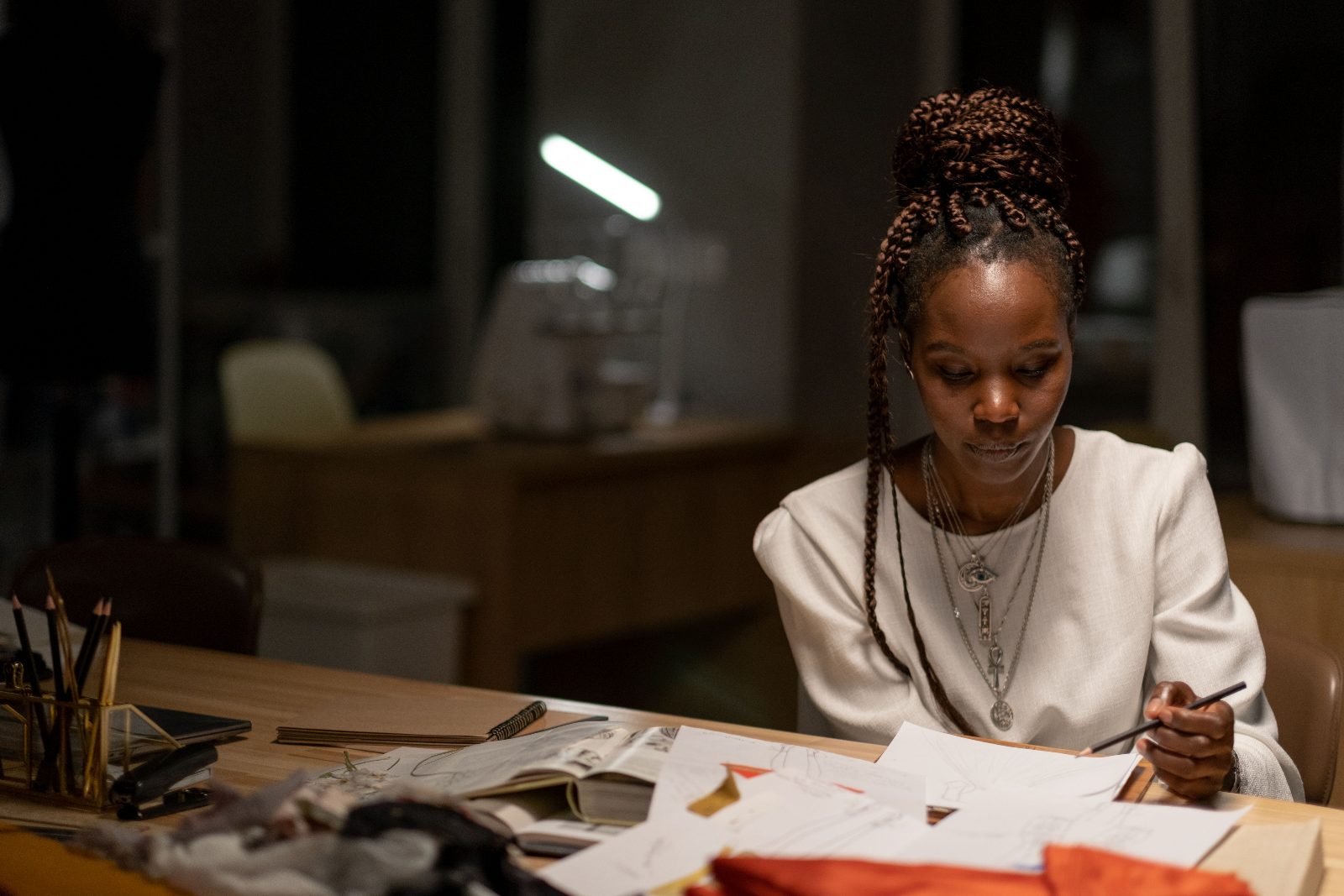
Being reachable builds trust with an audience. It drives subscriptions, bookings, and paid conversations. But being reachable also means being reachable to everyone — including the people who treat a creator’s inbox as a place where normal boundaries don’t apply.
Platforms were not designed with this tension in mind. The features that make creators discoverable are the same features that make them targetable. The tools for monetising a following often require a level of personal visibility that comes with a personal cost.
This is not a problem that individual women can solve by being more careful. It is a design problem. And it is a business problem.
What needs to change
Platform accountability matters. Reporting tools that work, moderation that responds, and policies that treat harassment as a business risk — not just a personal inconvenience — are not optional features. They are infrastructure.
But the more urgent shift is in how we measure inclusion. If the goal is a creator economy that works for women, then success cannot only be counted in the number of women who join. It has to include the conditions under which they can stay, grow, and build without absorbing a cost that their male counterparts do not face.
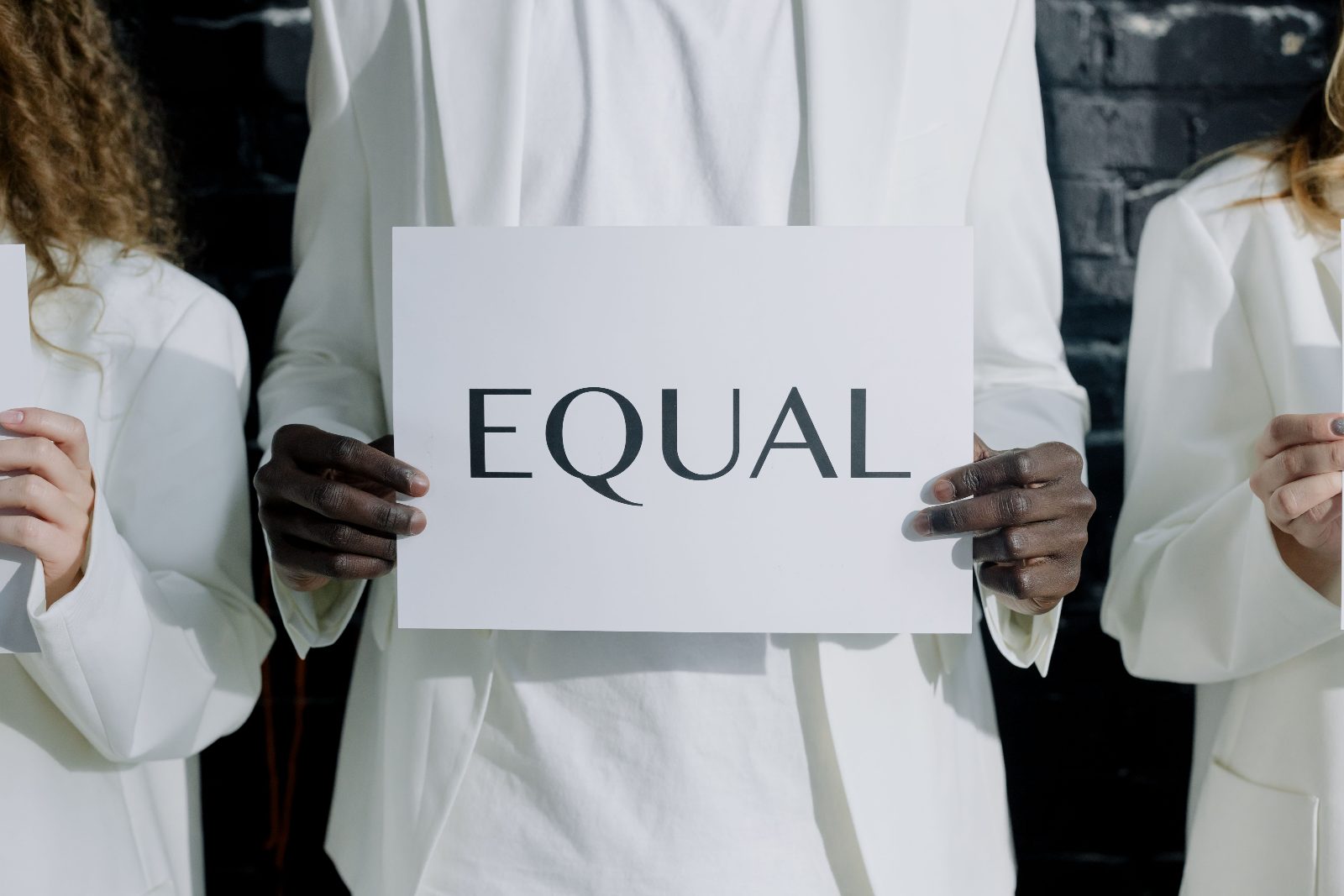
We cannot call an ecosystem equal simply because the door is open. Equal means the floor is the same once you walk in.
The creator economy is one of the most significant expansions of economic opportunity for women in a generation. That is worth protecting. And protecting it means being honest about what it currently asks of them.
Sources
¹ UNESCO (2026). Technology-facilitated gender-based violence research, South Africa. unesco.org
² Thraets & Targeted Rights Initiative (September 2026). Online violence against women: Evidence from Ghana and the African diaspora. thraets.org
³ Media Foundation for West Africa. Coordinated online attacks against women: cyberbullying, doxxing, gendered disinformation and manipulated imagery. mfwa.org