
53,781 creators. 120,924 paid transactions. Six revenue streams. Six African markets. Five months.
One engineer.
That’s the number that matters most, not because solo founding is heroic, but because it proves something about what’s possible when you build for a problem you understand at infrastructure level.
This is the product story. The real one.
The Problem That Generic Platforms Miss
The premise was simple: one profile link, six ways to earn, all paid via mobile money, all settled the same day.
Simple to say. Brutal to build — and brutal in ways that Patreon, Cameo, and every other Western creator platform never had to think about.
Mobile money in Africa is not a passive payment rail. It’s a conversation. A push, a prompt, a confirmation, a callback. Every transaction is asynchronous. The user initiates payment, gets a prompt on their phone, approves it, the network confirms it, the callback hits the server, and only then does the transaction resolve.
If any part of that chain breaks — a network timeout, a duplicate callback, a user whose network dropped after approval — the result is a fan who thinks they paid and a creator who hasn’t been credited. This is why retrofitting mobile money onto a platform designed for Visa cards doesn’t work. The architecture has to be built around it from the ground up.
That’s what Inner Circle is.
The Infrastructure Problem Nobody Talks About
Here’s what the pitch decks don’t tell you: building on top of mobile money APIs is hard in ways that have nothing to do with code.
The APIs are inconsistent. Documentation is outdated. Callback URLs have to be whitelisted manually. Rate limits are undocumented until you hit them. And every mobile network operator — Safaricom, Airtel, MTN, etc — has its own flavour of the same protocol.
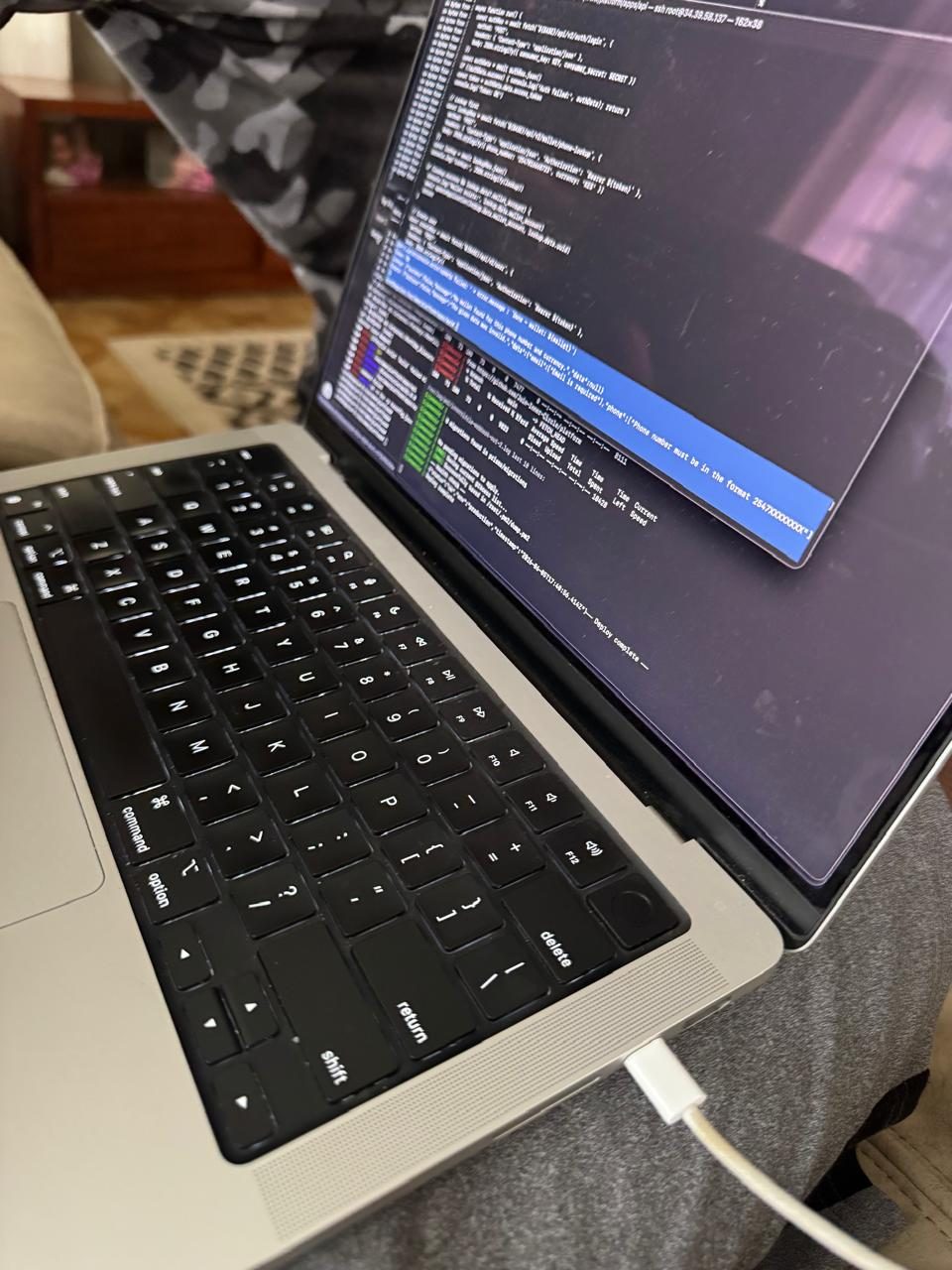
Years as CTO at Lemonade Payments meant knowing the terrain, gave a massive head start. But knowing the terrain doesn’t mean the terrain is easy. It means you know which swamps to avoid and which to wade through carefully. The first major bug was duplicate transaction processing. A callback would fire twice — once at confirmation, once at some indeterminate time later — and the server was crediting the creator twice. Caught it in staging before it hit production. The fix was a simple idempotency check, but the lesson was expensive: never trust a payment callback until you’ve seen it do something unexpected.
Building One Revenue Stream at a Time
The platform didn’t launch with everything. It launched with sessions — a creator sets a price, a fan books a slot, mobile money handles the payment, creator gets paid.
Then came subscriptions. Then priority DMs. Then paid questions. Then group rooms. Then the storefront.
Each addition wasn’t just a feature. It was a new infrastructure problem unique to this market.
Subscriptions meant recurring billing on mobile money — which doesn’t have native recurring support the way cards do. Every renewal is a fresh payment push. That means handling failed renewals, grace periods, and communicating lapsed access to fans without destroying the creator relationship.
Group rooms meant concurrency — multiple fans paying simultaneously, all needing confirmation before access is granted. The bug that surfaced here was a race condition: room tickets were being issued before payment was confirmed. A fan would initiate payment, get redirected into the room, and then the mobile money prompt would timeout. They were inside. They hadn’t paid.
Found it because a creator flagged that twelve people attended but only nine payments landed. Three hours of log tracing, forty minutes to fix. That gap — between what a global platform assumes and what African infrastructure actually does — is the gap that Inner Circle exists to close.
The Feature That Shouldn’t Be Hard (But Is)
The feature that matters most is cross-border: a Nigerian fan pays a Kenyan creator in Naira, the creator receives Kenyan shillings the same day.
That sentence is easy to read. Building it required routing through FX conversion, managing multi-currency settlement accounts, handling settlement windows that differ by country, and ensuring that when a transaction crosses a border, nothing falls into the gap between networks.
Seven currencies. Eight markets. Each with its own payment provider, its own settlement schedule, its own edge cases.
The first cross-border transaction was monitored manually — every step traced in the logs in real time. When the Kenyan shillings landed, that was confirmation of something important: the infrastructure problem that made African creator monetisation impossible wasn’t a product gap. It was an engineering gap. And it was solvable.
What Got Built Wrong First
Onboarding was the biggest early mistake.
The assumption was that if the product worked, people would find their way through it. They didn’t. Creators would sign up, complete a profile, and stall before enabling a single revenue stream. The gap between account created and first product live was the most expensive gap on the platform.
The onboarding flow was rebuilt twice. The current version walks every new creator through enabling their first revenue stream before they ever reach the dashboard. That single change moved activation rates materially. It should have been built that way from day one.
The second underestimation was support load. When money is involved, people need answers immediately. Building a payment product without investing in support infrastructure early creates a ceiling on trust — and trust is the only thing that makes a creator tell another creator to join.
What 77% Retention Actually Means
The metric that matters most isn’t MRR or transaction volume. It’s 77% 90-day creator retention.
That number lives in a specific moment: the first payout. Not the signup. Not the profile completion. The moment a creator sees money land in their mobile money from something they built. That’s when the platform stops being a tool and becomes part of how they think of themselves professionally.
Building for that moment — technically, structurally, in every UX decision — is what Inner Circle is actually optimising for. The 18% organic referral rate that follows is what happens when you get it right.
The Bigger Story
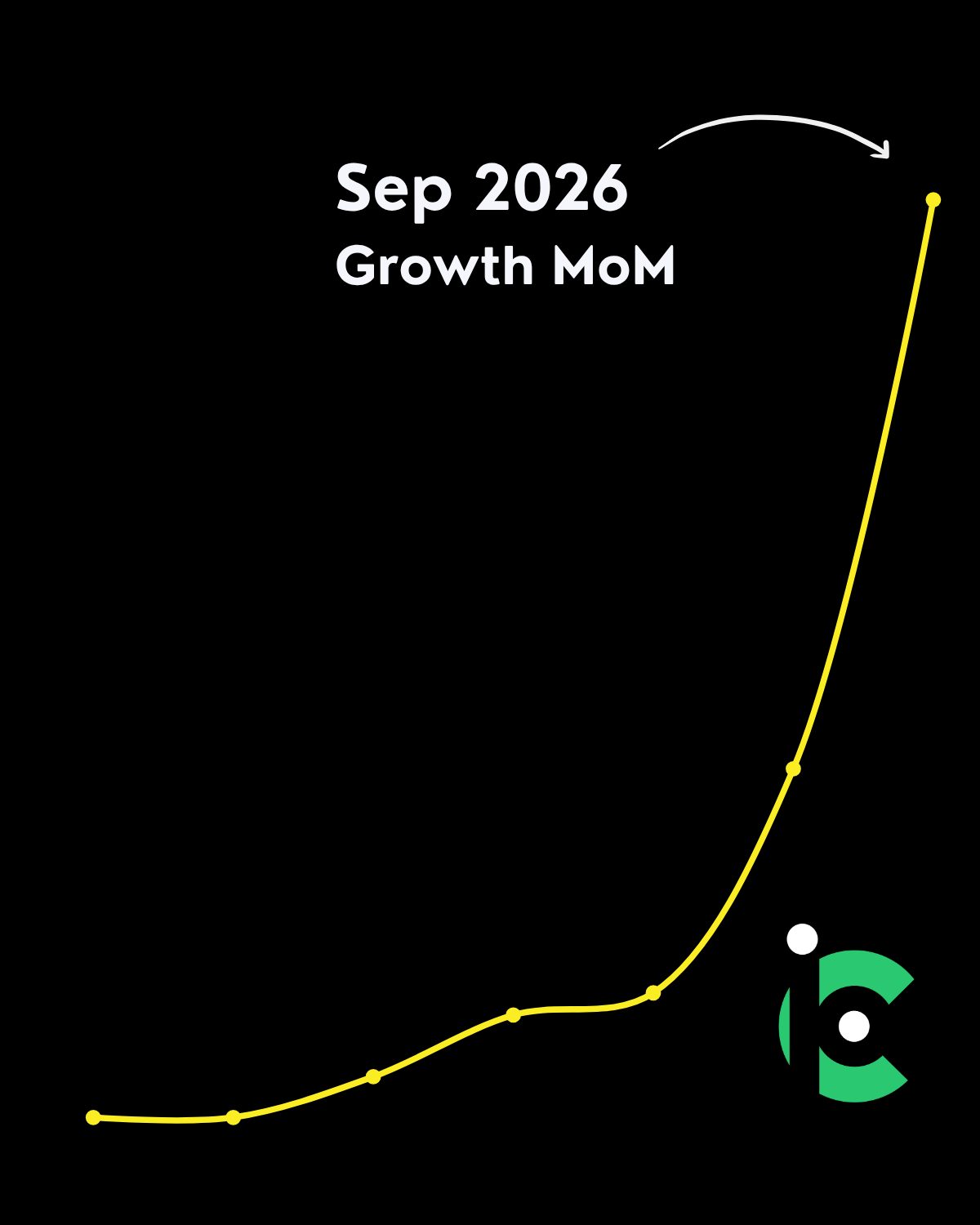
These numbers matter not as proof of one company’s traction, but as proof of a market that has been waiting for infrastructure that works. African creators have audiences. Their fans will pay. The only thing that was missing was a payment layer built for how money actually moves on this continent.
That infrastructure now exists. The work from here is expanding it — more markets, more creators, more of the monetisation surface that the rest of the world has had for a decade.
Africa’s creator economy doesn’t need a workaround. It needed someone to build the foundation. That’s what the last five months have been.
Andrew Kibe is the founder and CEO of Inner Circle. Follow the build at joininnercircle.vip